


Prairie gardens have become increasingly popular in recent years, not only in Poland but in many parts of the world. This is due not only to the plants’ modest environmental and care requirements, but also to the striking, naturalistic look of the flower beds. Here’s a practical guide to all the essential tips for creating a prairie garden, in just 6 steps!
Preparing the site for a prairie garden in 6 steps
A prairie garden is an excellent choice for anyone with poor, sandy soil that is prone to erosion. This style of flower bed is inspired by natural prairies, where harsh conditions, plenty of sunshine, low rainfall and sandy soil are part of everyday life. Even if you’re a novice gardener, designing a prairie garden shouldn’t be too much of a challenge. And if you’re still unsure of your gardening skills, one of our exceptional gardening accessories might give you a confidence boost!
Step 1. Preparing the soil for a prairie garden
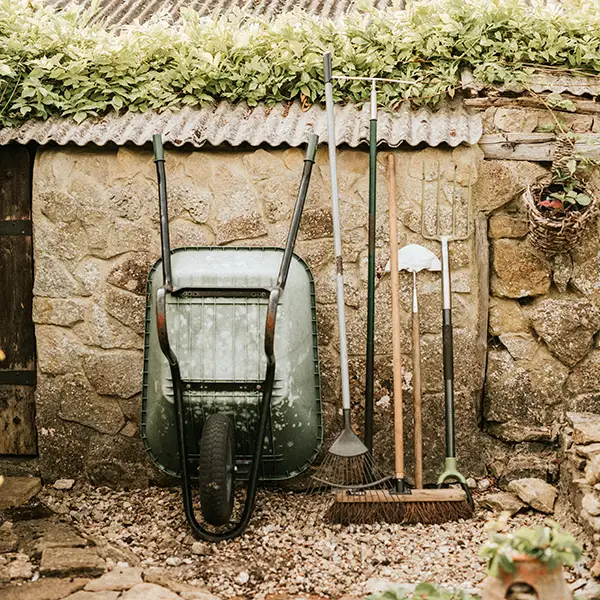
Preparing the soil for a prairie garden basically involves removing weeds and loosening the soil. In smaller gardens, you can easily use a garden fork; for larger areas, it’s worth buying or renting a rototiller. Loosen the soil to a depth of about 30 cm. Before planting, it’s a good idea to plan where each perennial and shrub will go so you can buy the right number of plants. You should also mark out the area where you want to create the garden bed, for example, with spray paint or string. This will help you visualize the future garden and make any necessary adjustments before starting the bigger jobs.
Step 2. Fertilizing the garden bed
It’s best to fertilize the garden bed when planting. Dig slightly larger holes for the perennials and add a measure of manure or compost. It’s a good idea to mix the organic fertilizer with the native soil to prevent the perennials’ root systems from clumping together. In addition, prairie gardens generally don’t need fertilizing during the growing season. Most of the plants used are so-called “ironclad perennials,” so if you do use fertilizer, it should preferably be organic and applied only when visible signs of deficiency appear.
Step 3. Planting in a prairie garden
Planting in a prairie garden isn’t difficult. It’s best to do it in spring or autumn, when the plants are most likely to establish themselves well and survive the winter. However, you can also create this type of garden in summer—just remember that it will need to be watered more often. When planting, bear in mind that perennials will grow much larger than the young plants, so leave plenty of space between them.
Step 4. Sowing annuals
Annuals that will make a wonderful addition to your prairie garden include:
- common sunflower (Helianthus annuus), which inspired a unique collection of gardening accessories we created. Sunflowers bring a pastoral feel to the garden and also provide a food source for birds,
- marigold (Tagetes), whose essential oils help repel mosquitoes and aphids,
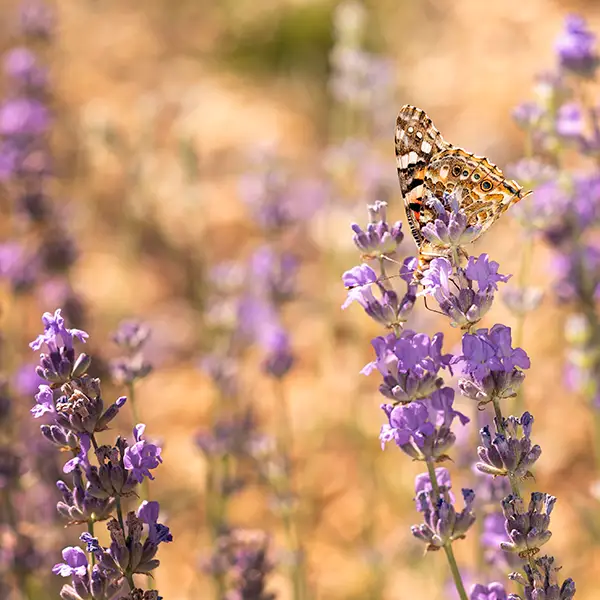
- dahlia-flowered zinnia (Zinnia elegans), which attracts butterflies and pollinators.
Annuals are usually planted along the edges of flower beds, but prairie gardens allow for more flexibility, and you can also sow them among the perennials within the bed. Remember, though, to leave enough space between plants. Otherwise, the more vigorous perennials may hinder annuals from germinating.
Step 5. Mulching the plants
Mulching plants is an excellent way not only to reduce the work involved in pulling weeds, but also to limit water evaporation and wind erosion. For mulch to work effectively, it should be 5 to 9 cm thick. You can use compost, grass clippings or conifer bark as mulch.
Step 6. Caring for, fertilizing and watering the plants
If you follow the tips above, caring for a prairie garden will involve just a few occasional rounds of weeding. Watering should be limited to the first few years; after that, water only during prolonged dry spells.
Plants for prairie gardens
Plants for prairie-style perennial beds must be able to withstand the weather, drought and plenty of sunshine, while also meeting certain aesthetic criteria, requiring little care and looking good all year round. The most commonly planted flowering perennials in prairie gardens include:
salvias, coneflowers, sedums, Patagonian vervain, catmint, lavender, sea holly, globe thistle, tickseed and Canterbury bells.
Grasses for prairie gardens
Ornamental grasses are an essential part of every prairie garden. They lend the flower bed a “light” feel and sway beautifully in the breeze.
When creating a prairie garden, consider species such as:
- Mexican feather grass, also known as needle grass, is a delicate grass that pairs beautifully with coneflowers and sedums,
- Chinese fountain grass is a popular choice for Polish gardens, thanks to its striking flower heads and modest requirements,
- quaking grass is a little-known grass native to Poland, with unusual flower heads that tremble in the breeze,
- greater quaking grass, as its name suggests, is a relative of quaking grass with larger flower heads.
Lawns in modern prairie gardens
Planning a prairie garden doesn’t mean you have to give up your lawn, especially if it serves a practical purpose—for example, if you plan to play sports in the garden, have children who need room to play, or need pathways for getting around. In modern prairie gardens, we avoid large expanses of neatly mown lawn for a few key reasons:
- A large lawn is expensive to maintain. Many people who install a lawn don’t realize how much work it takes to keep it looking like a neat, green carpet throughout the season—from aerating and scarifying to rolling, fertilizing and top-dressing with sand. You’ll need to buy or rent special machinery and equipment for all these tasks.
- Irrigation systems and water conservation—it’s no secret that without an irrigation system, a garden with a large lawn will require many hours of watering during the season. This goes directly against the idea of a prairie garden, where we choose plants suited to the climate and soil conditions so they need as little maintenance as possible and can largely take care of themselves.
- Biodiversity—a large lawn also provides a rather unappealing habitat for the many organisms that visit our garden.
That’s why a better, more economical and more environmentally friendly option is to use the lawn for pathways, for example, and mow only the areas that really need it.
Prairie gardens—a solution for sandy soils
A prairie garden is an ideal solution for challenging, sandy terrain, as well as for those who are still learning the ropes of gardening. We hope this article has inspired you to create a little piece of prairie in your own garden. If gardening is your passion and you’d like to discover more fascinating facts from the world of plants, take a look at our other articles featuring interesting plant facts.